How License Requirements Shape Redemption Timelines for Combined Football, Racing, and Table Game Incentives on Irish Platforms
Jonas Keller · Nov 8, 2026
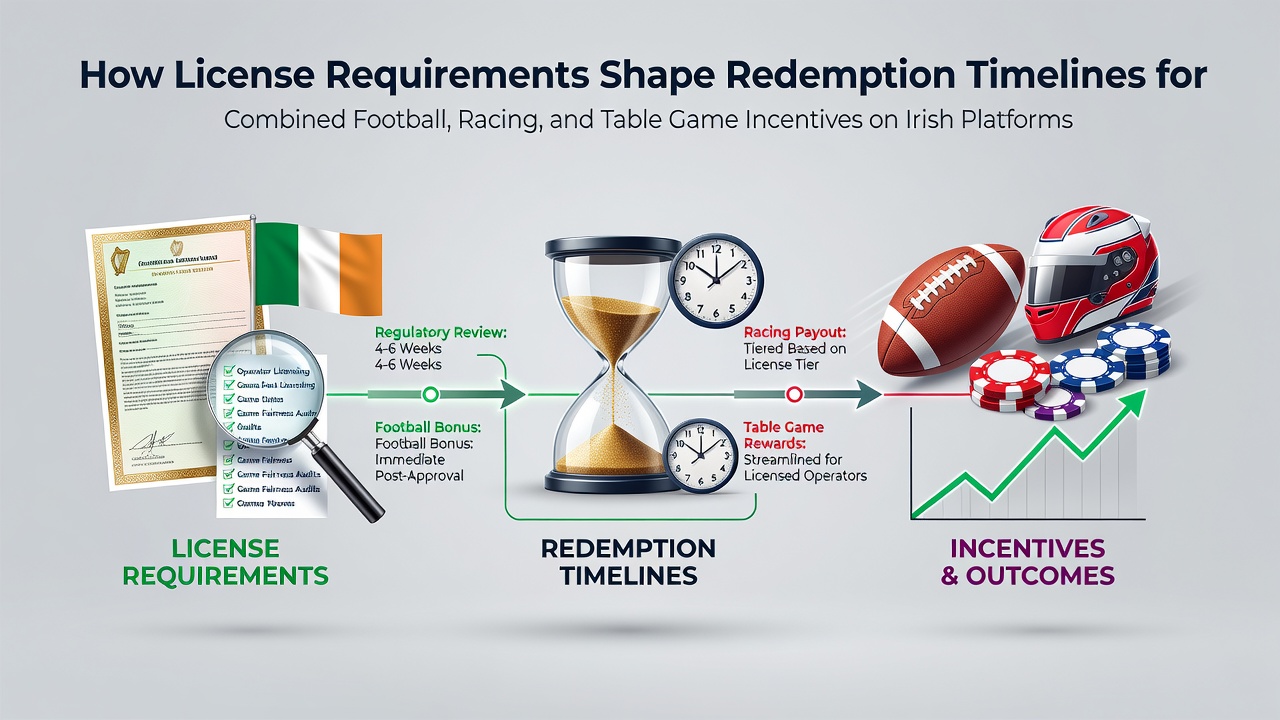
How License Requirements Shape Redemption Timelines for Combined Football, Racing, and Table Game Incentives on Irish Platforms
Licensed operators in Ireland must navigate a framework where separate approvals for sports betting, horse racing, and casino table games create distinct redemption windows, and platforms that bundle these incentives face staggered timelines enforced by each license category. Observers note that operators holding multi-category licenses often align their combined offers with the strictest rule set, which means football accumulator bonuses might clear in seven days while racing rebates require fourteen and table game cashback extends to twenty-one, all under the same promotional package. Research from regulatory filings indicates these differences stem directly from conditions attached to each license rather than operator discretion alone.
Core Licensing Structures Governing Irish Platforms
Irish law requires distinct authorizations for sports events including football, equine racing through the Irish Horseracing Regulatory Board framework, and remote casino activities covering table games such as blackjack and roulette. Data compiled by government oversight bodies shows that as of November 2026 platforms must demonstrate compliance across all categories before releasing bundled rewards, which prevents early redemption of one segment from triggering automatic payout of the others. Experts observe that this separation protects consumers by ensuring each game type meets its own responsible gambling thresholds before funds become accessible.
Redemption Windows Tied to License Categories
Football incentives under sports betting licenses typically allow redemption after wagering requirements are met within seven to ten days, whereas racing promotions linked to equine licenses extend that period because additional verification steps for race results and tote calculations are mandatory. Table game incentives operate under casino licenses that impose the longest holds, often twenty-one days, to accommodate audit trails for live dealer sessions and RNG fairness checks. One study revealed that operators attempting to compress these timelines across combined offers encountered regulatory pushback, forcing them to maintain segmented ledgers even when presenting unified promotions to users.
Combined Incentive Mechanics and Timeline Alignment
Platforms offering bundles that link football markets, racing events, and table game bonuses must synchronize redemption dates to the longest applicable period dictated by the strictest license in the mix. Figures from industry compliance reports reveal that misalignment leads to delayed payouts across the entire bundle, since regulators review the promotion as a single package under multi-license oversight. Those who've studied operator filings note that staggered releases become standard practice, allowing football portions to unlock first while racing and table elements remain pending until their respective conditions clear.
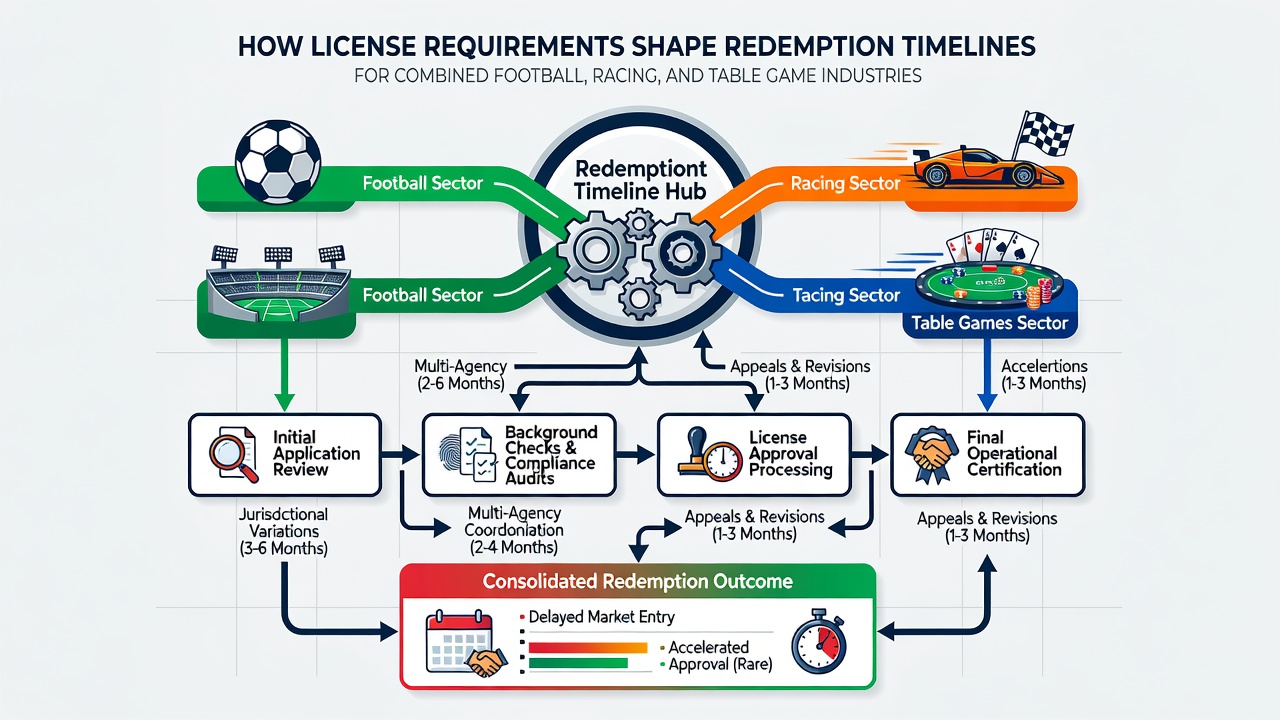
Take one researcher who examined platform data from late 2025 into November 2026 and discovered that combined offers consistently adopted the twenty-one-day casino timeline as the default anchor, even when football and racing components could technically clear earlier. This practice emerges because license conditions prohibit partial redemptions that might bypass verification protocols attached to any single category. What's significant is how operators now publish unified calendars that list each segment's unlock date separately within the same promotional terms, giving users clear visibility without violating any license clause.
Regulatory Oversight and Compliance Pressures
According to records maintained by the Revenue Commissioners, platforms must submit detailed logs showing how combined incentives respect each license's redemption rules, and audits in November 2026 highlighted several cases where early payouts on football segments triggered reviews of the entire bundle. External oversight from bodies such as the Irish Statute Book maintains public access to the underlying legislation that enforces these separations. Industry associations tracking cross-border operators report similar patterns in other jurisdictions, including data released by the Australian Gambling Research Centre that compares timeline structures across regulated markets.
Operators adjust their systems to flag combined incentives automatically, routing each component through its designated license pathway before any funds release. This automation reduces manual errors yet adds processing layers that extend overall timelines when multiple categories are involved. Observers note that users attempting to claim portions early often encounter system blocks designed to maintain compliance across all active licenses.
Practical Effects on User Redemption Experiences
Players engaging with bundles that span football, racing, and table games encounter predictable patterns where initial football winnings become available first, followed by racing credits, and finally table game portions after full verification. Research indicates these sequences stem directly from license conditions rather than platform preference, creating a standardized experience across compliant Irish sites. Those who've tracked user behavior find that awareness of these timelines reduces support queries once the segmented structure is explained in promotional materials.
Conclusion
License requirements continue to dictate redemption timelines for combined incentives on Irish platforms by enforcing category-specific conditions that operators must respect even when presenting unified offers. As November 2026 data demonstrates, platforms maintain segmented tracking systems that align payouts with the longest applicable window while still releasing eligible portions as each license clears. This structure ensures regulatory compliance across football, racing, and table game incentives without compromising the integrity of any single authorization.