Decoding Loyalty Program Structures Across Digital Wagering Platforms for Combat and Equine Events
David Becker · Aug 25, 2026
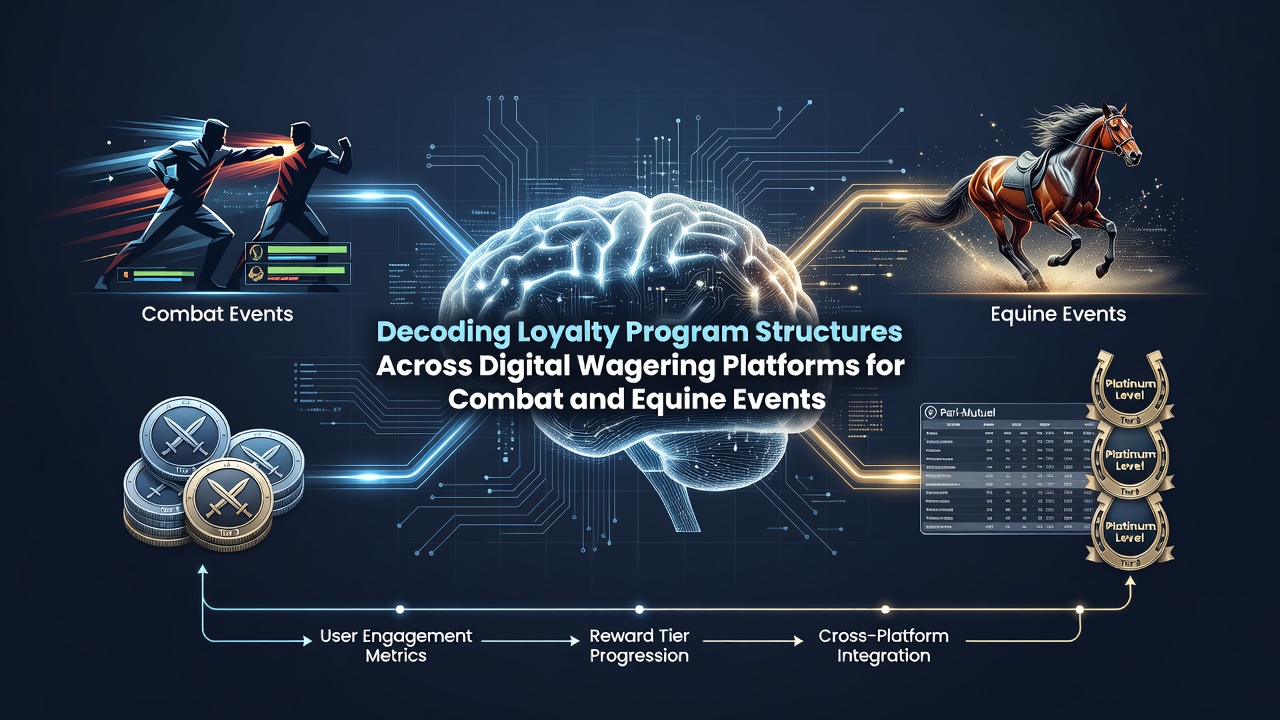
Decoding Loyalty Program Structures Across Digital Wagering Platforms for Combat and Equine Events
Digital wagering platforms maintain structured loyalty programs that reward consistent participation in combat sports betting and equine event markets, with mechanics built around point accumulation, tier progression, and redemption options that vary by operator and jurisdiction.
These systems typically track user activity through metrics such as total stakes placed on boxing matches, mixed martial arts bouts, thoroughbred races, and harness events, then convert that activity into redeemable benefits including enhanced odds, cashback percentages, and exclusive event access.
Core Mechanics of Tiered Loyalty Systems
Most platforms divide participants into multiple levels based on cumulative wagering volume over defined periods, with each tier unlocking incremental advantages that scale with activity levels. Entry-level tiers often provide basic cashback rates on losses while higher tiers introduce multipliers on points earned from combat event wagers and equine race betting.
Researchers at academic institutions have documented how these structures operate through data analysis of public operator disclosures, revealing that progression requirements frequently reset on a monthly or quarterly basis depending on the platform's regional compliance framework.
Differences Between Combat and Equine Event Rewards
Combat sports betting loyalty structures emphasize rapid turnover during major fight cards, granting bonus points for wagers placed on undercard bouts or specific fight outcomes, whereas equine programs tend to reward sustained engagement across seasonal race meetings with bonuses tied to multi-race accumulators.
Operators differentiate these categories further by offering combat-focused users early access to odds boosts on championship fights, while equine participants receive priority on pool betting enhancements and dividend multipliers during major festival events.
Point Accumulation and Redemption Pathways
Points systems calculate rewards through formulas that factor both stake size and event type, assigning higher values to live in-play bets on combat contests and ante-post wagers on equine championships. Redemption options commonly include free bet credits, deposit matches, and merchandise tied to specific sports franchises.
According to reports from the European Gaming and Betting Association, redemption rates across European platforms show consistent patterns where combat event participants convert points at slightly higher frequencies than equine bettors during peak tournament months.
Regulatory Influences on Program Design
Jurisdictional rules shape loyalty structures significantly, with authorities in Australia and Canada requiring clear disclosure of point values and expiration policies. Platforms operating in multiple regions adjust tier thresholds and reward caps to align with local responsible gambling standards.
In August 2026 several Canadian provinces will implement updated transparency rules that mandate operators publish detailed breakdowns of loyalty point valuations for both combat and equine markets, allowing participants to compare structures across platforms more effectively.
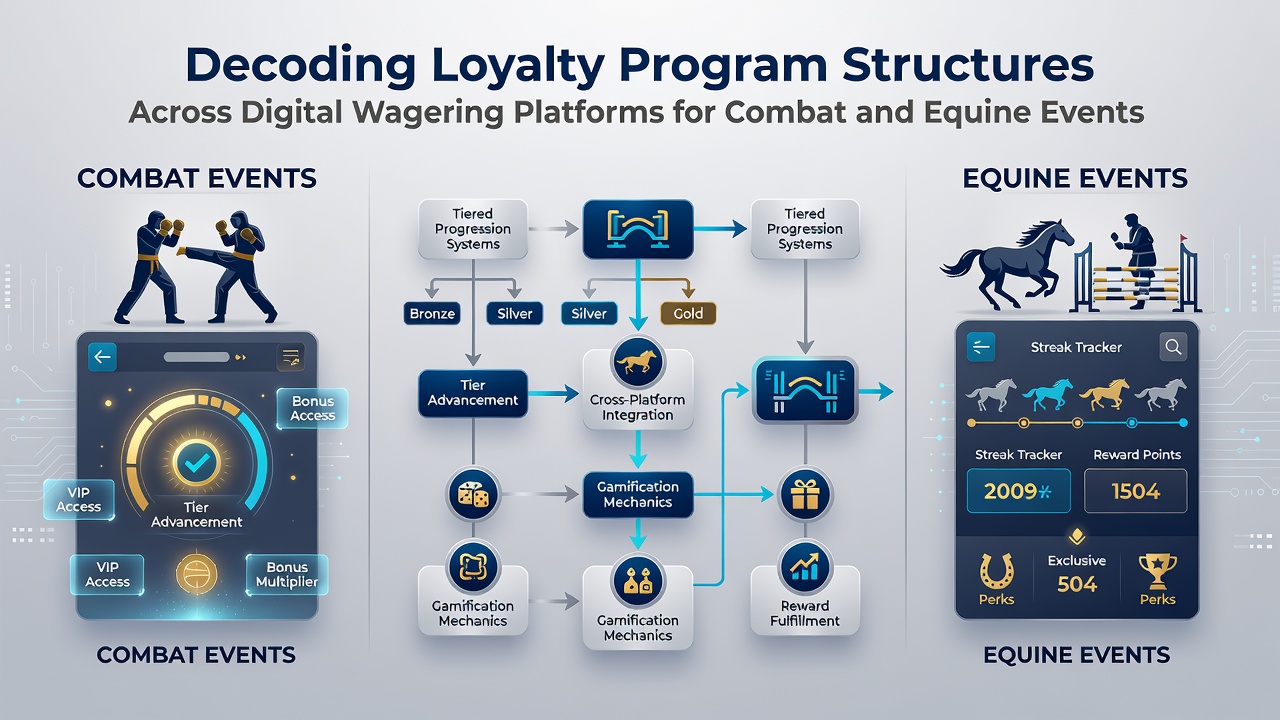
Those who have examined operator terms across jurisdictions note that point expiration periods range from 90 days to 12 months, with equine programs often featuring longer windows to accommodate the seasonal nature of major racing calendars.
Cross-Platform Comparisons and Data Trends
Industry reports indicate that platforms serving both combat and equine markets frequently maintain separate point ledgers for each category, preventing cross-contamination of rewards and allowing targeted promotions during specific event cycles. Data from regulatory filings shows average annual point earnings differ by region, with North American users accumulating higher volumes on combat events while Australian participants show stronger equine engagement patterns.
Observers note that loyalty structures evolve in response to competitive pressures, with operators introducing hybrid rewards that combine cashback on losses with performance-based bonuses for accurate fight outcome predictions or successful exotic equine bets.
Conclusion
Loyalty program structures on digital wagering platforms reflect deliberate design choices that balance user retention goals with regulatory compliance across combat and equine betting verticals. Continued examination of these systems through regulatory disclosures and industry data provides insight into how operators adapt reward mechanisms to different event types and participant behaviors.